Blog · 2 min read v1.5 · Published 8 June 2026 · Updated 23 June 2026

Blog

I wanted a tech briefing app. I ended up building open-source tools to measure whether the AI parts actually work. Four acts: the product, the metric traps, the infrastructure, and the operating model. Start with Building an Evaluation Lab by Accident.

Posts and diagrams are drafted with Cursor, then edited and fact-checked against the repos and benchmarks cited. Same loop as the code: agents propose, I sign.

Building an Evaluation Lab by Accident

  • A branching teal path through layered lab instruments — an evaluation stack built one experiment at a time.

    Prologue · 5 min read · v1.6 · Published 8 June 2026 · Updated 23 June 2026

    Building an Evaluation Lab by Accident

    How a personal tech news recommender forced me to build an open-source evaluation lab, and what it taught me about building with AI under engineering discipline.
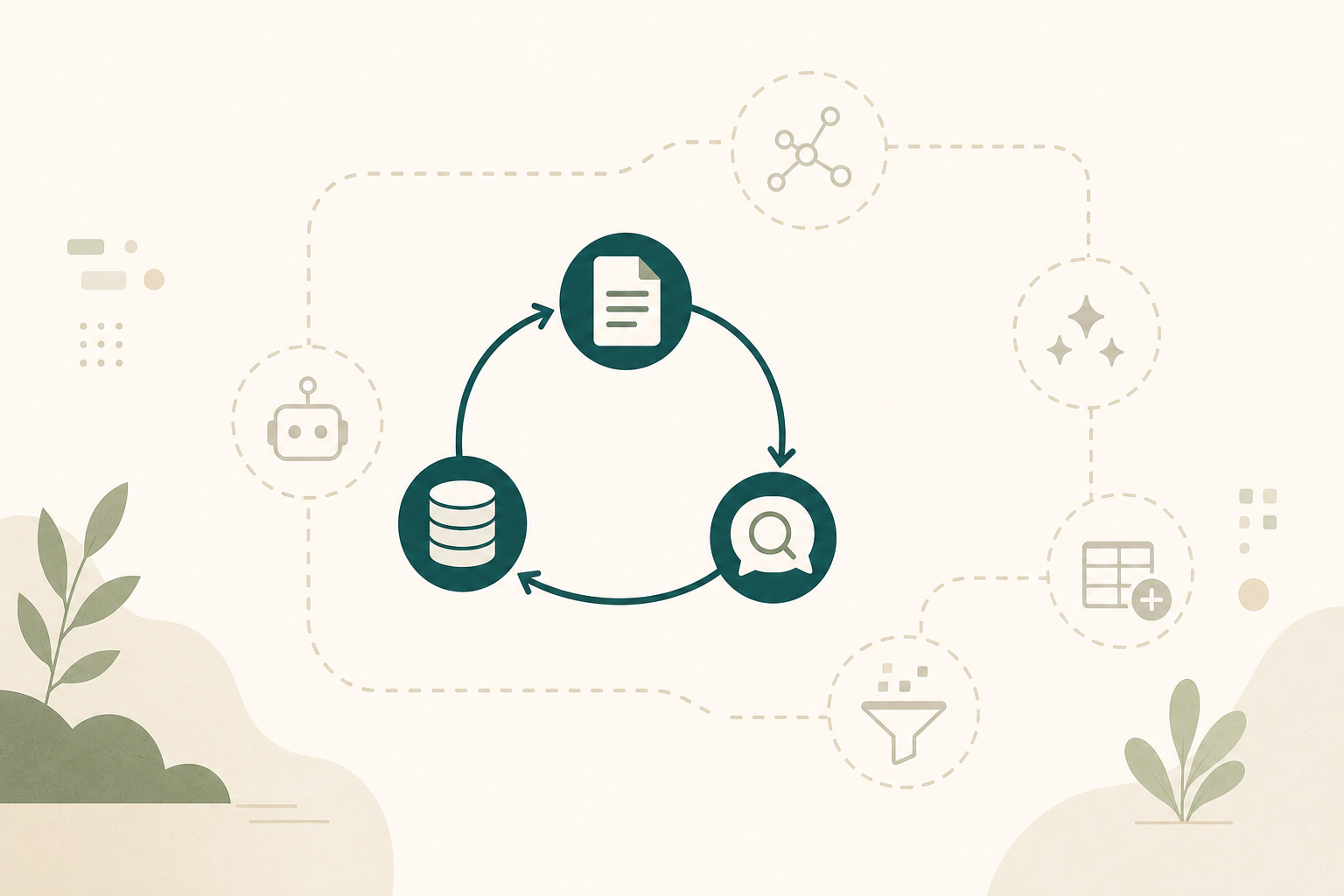
  • A tight teal loop through document, storage, and search — the minimum credible path before the larger pipeline.

    Act I: The Illusion · Part 1 · 4 min read · v1.7 · Published 8 June 2026 · Updated 23 June 2026

    The Minimum Credible Loop

    Why ArticleRecommender exists, what Phase 1 actually shipped, and why I deliberately stopped before building the smart enrichment.
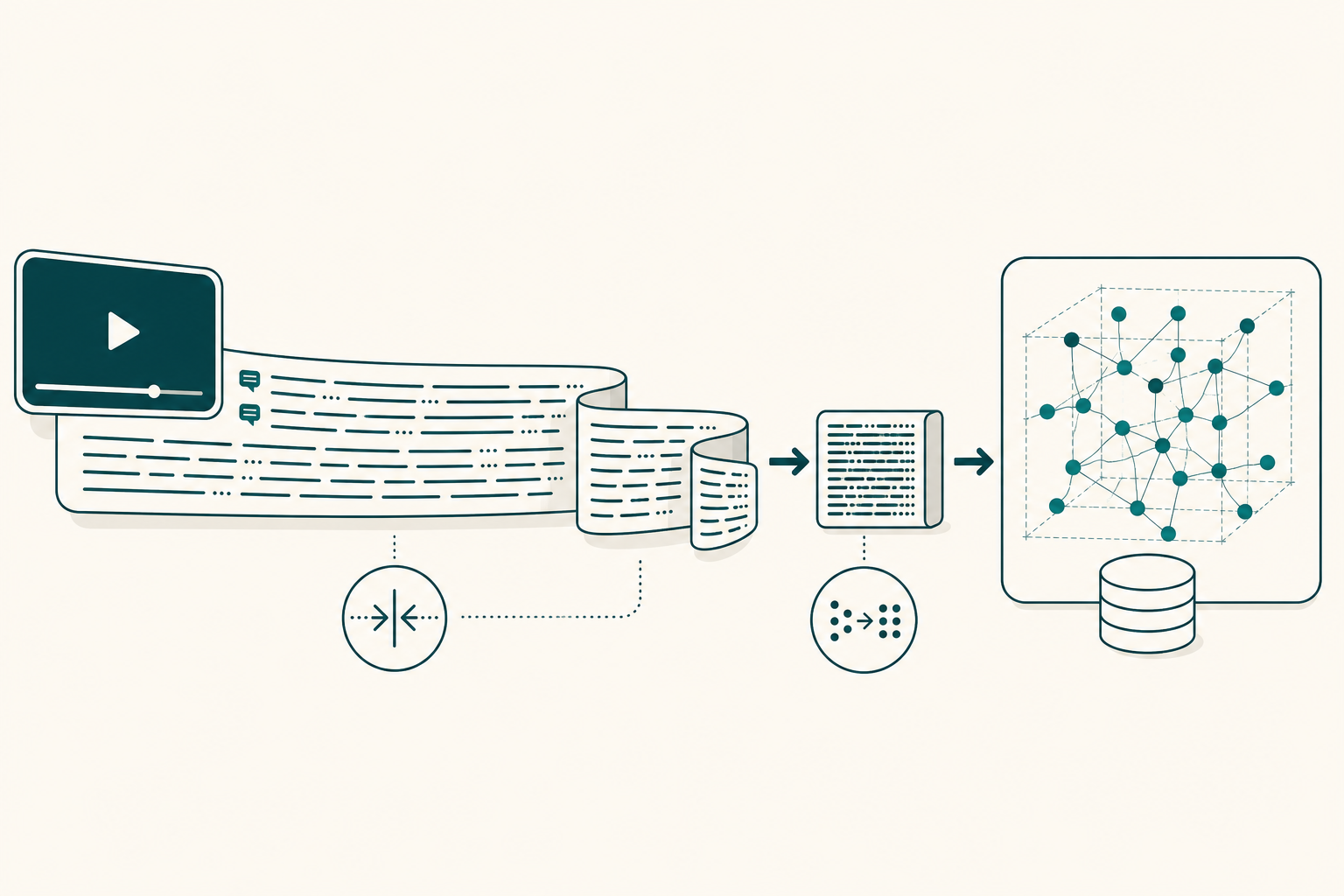
  • A long transcript ribbon narrowing into a dense teal block before a vector grid — compress, then embed.

    Act I: The Illusion · Part 2 · 10 min read · v1.8 · Published 8 June 2026 · Updated 22 June 2026

    Compressing YouTube for the Vector DB

    The text-compressor experiment — embedder context limits, compress-then-embed, and the operational reality of API churn.
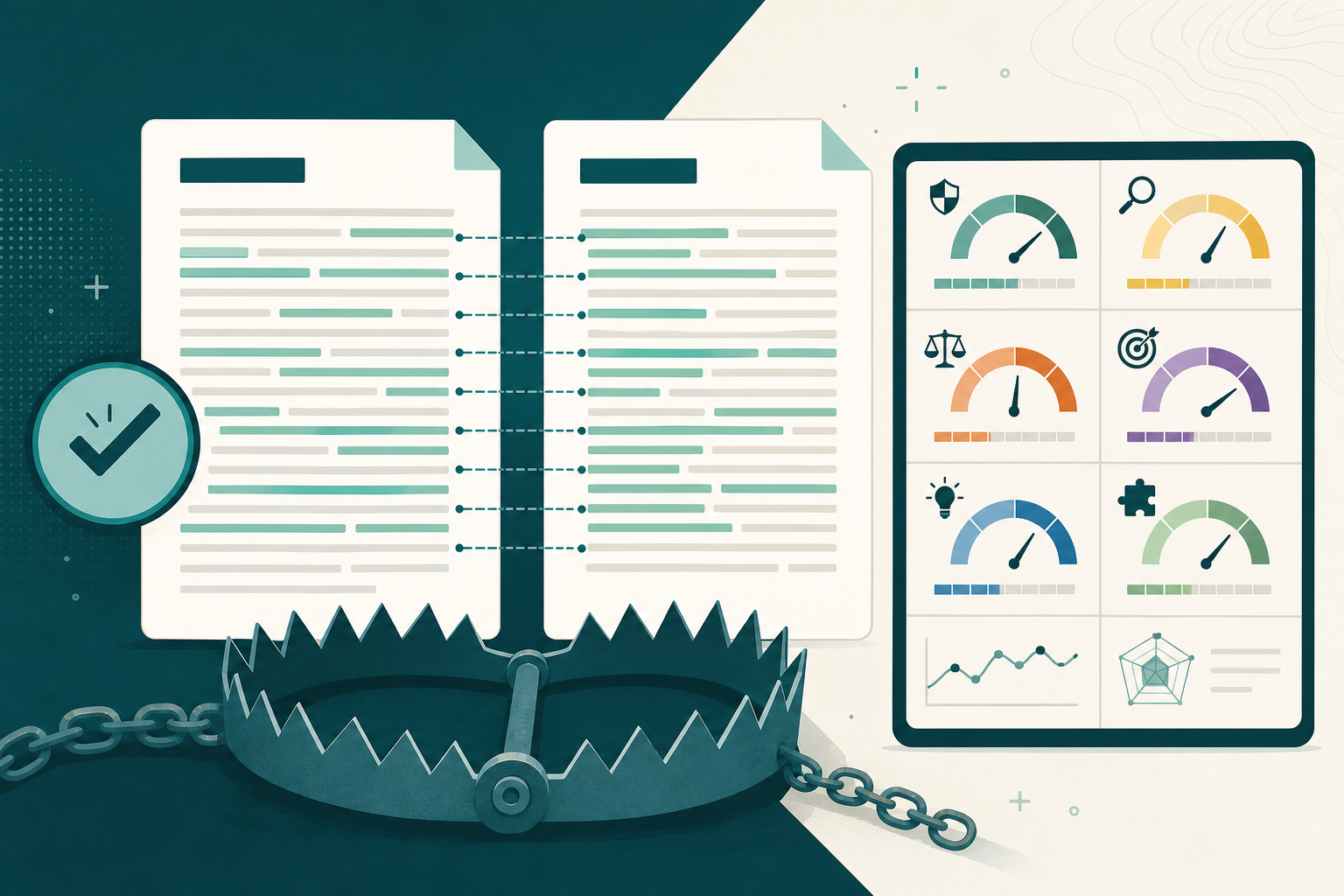
  • Two overlapping teal circles beside a scorecard — overlap is not the same as faithfulness.

    Act II: The Reality Check · Part 3 · 8 min read · v1.10 · Published 8 June 2026 · Updated 23 June 2026

    ModernBERT and the Overlap Trap

    Why semantic similarity metrics give you false confidence, and how I built a multi-metric faithfulness scorecard.
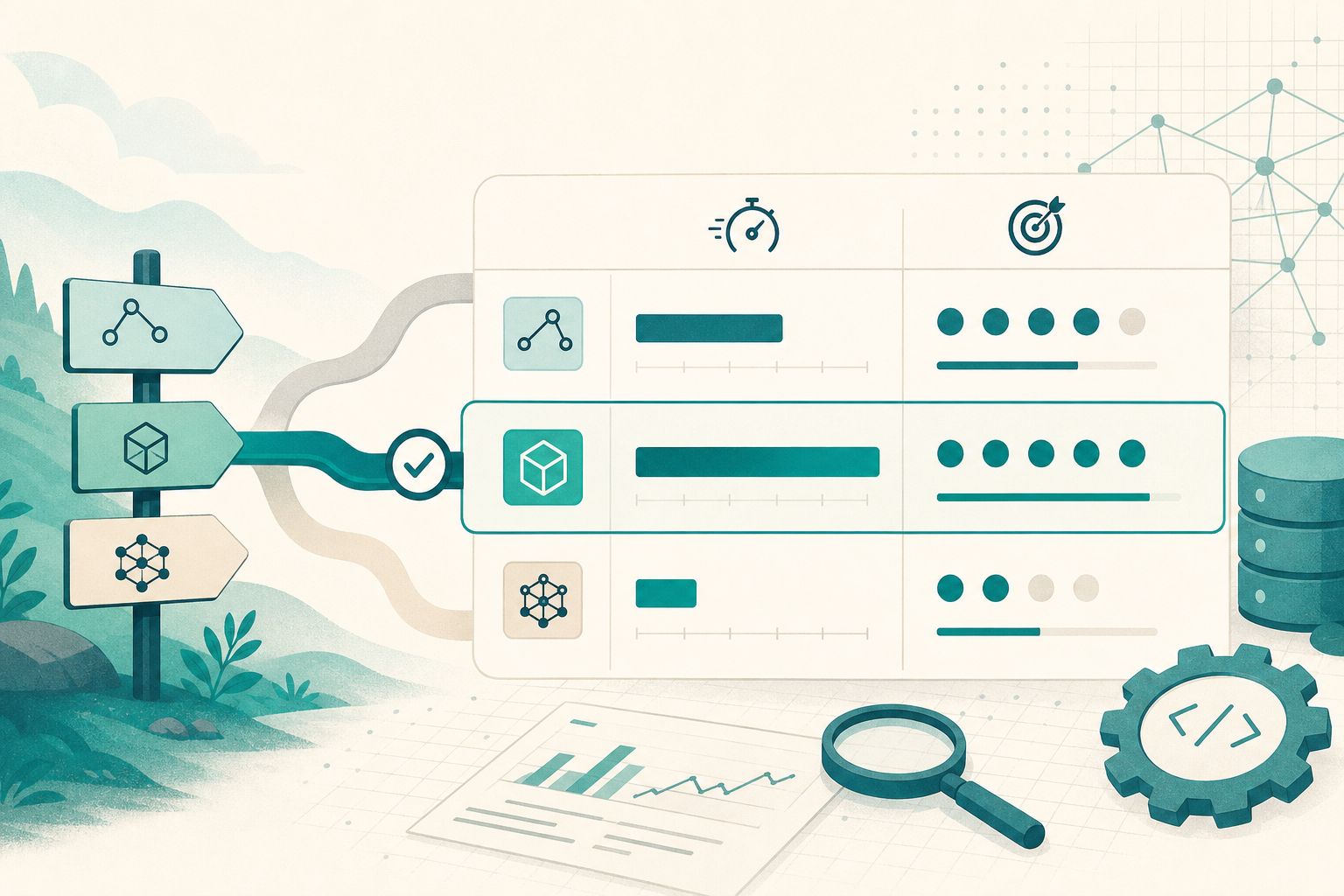
  • Three teal backend stacks on a benchmark grid with latency and F1 markers — picking a NER backend with evidence.

    Act II: The Reality Check · Part 4 · 6 min read · v1.5 · Published 8 June 2026 · Updated 22 June 2026

    Benchmarking NER: Latency, Doc F1, and Cache Bugs

    Comparing LLMs, BERT, and GLiNER in ner-detector. Why I chose Doc F1, and the latency bug that almost ruined the benchmark.
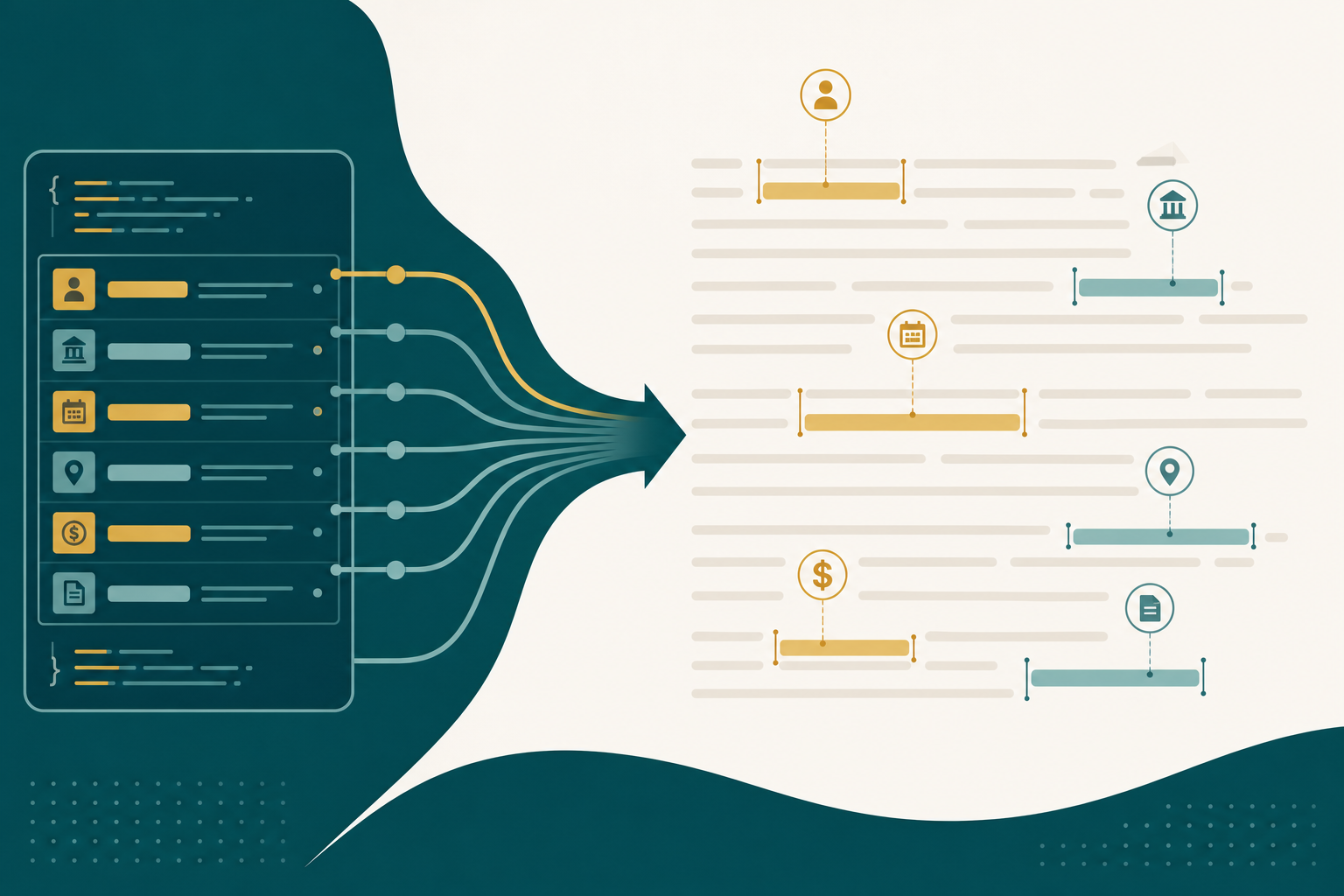
  • Named entities anchored to character spans on a teal text strip — entity first, offsets second.

    Act III: The Infrastructure · Part 5 · 4 min read · v1.5 · Published 8 June 2026 · Updated 22 June 2026

    Fixing LLM Offset Hallucinations

    LLMs can't count. How I solved character offset hallucinations using entity-first generation in ner-gold-generator.
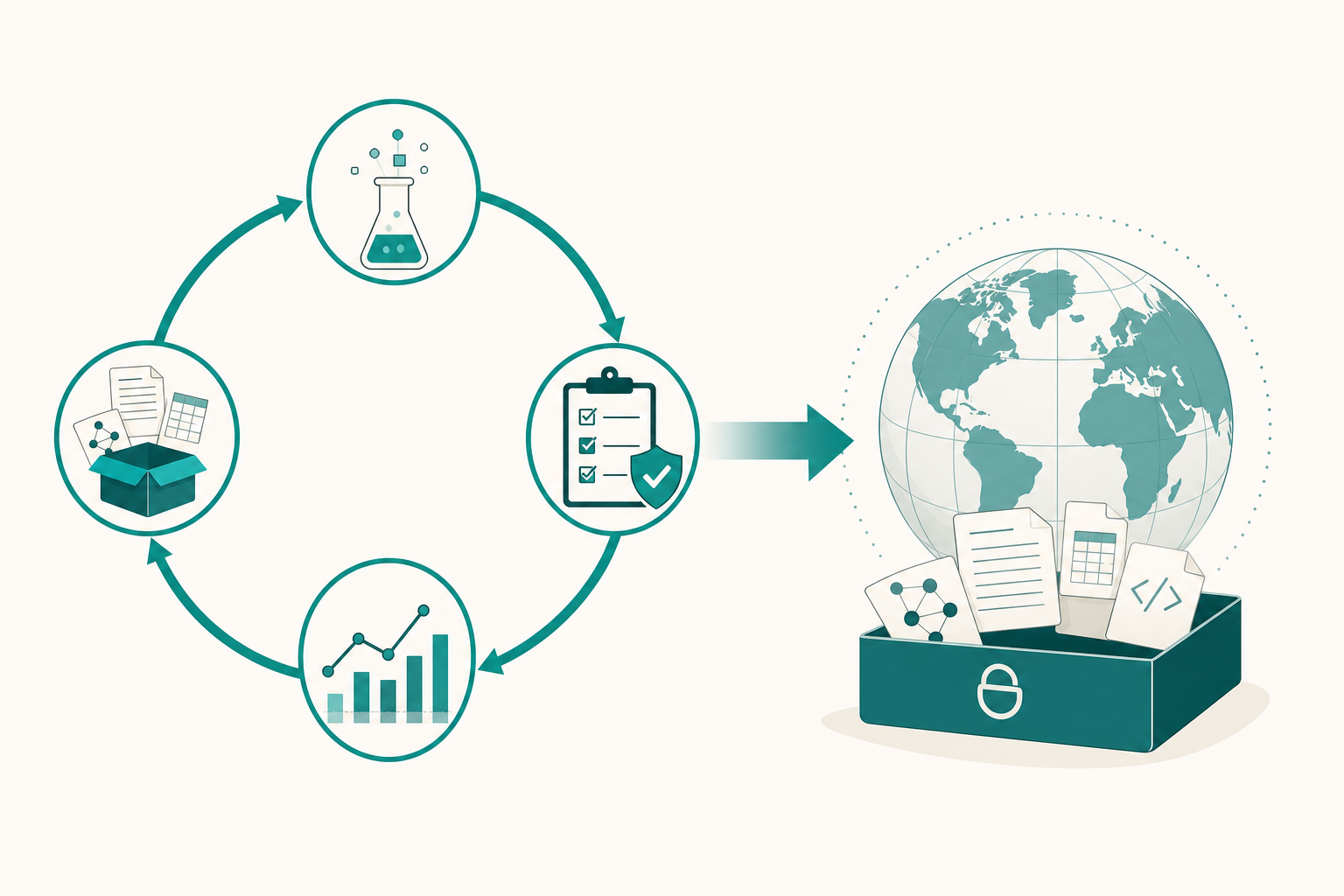
  • A closed teal loop from generator to dataset to CI checks and back — publishing the evidence.

    Act III: The Infrastructure · Part 6 · 4 min read · v1.4 · Published 8 June 2026 · Updated 22 June 2026

    Publishing the Evidence

    Separating the generator from ner-dataset. CI validation, live stats, and closing the loop.

  • A winding teal path through a stylized city map — the agent walk before the build.

    Act IV: The Philosophy · Part 7 · 10 min read · v1.5 · Published 9 June 2026 · Updated 22 June 2026

    Agents Draft. I Sign.

    The agent walk, the control loop, and the sign — how I explore with agents first, then constrain output with tests, benchmarks, and public evidence.
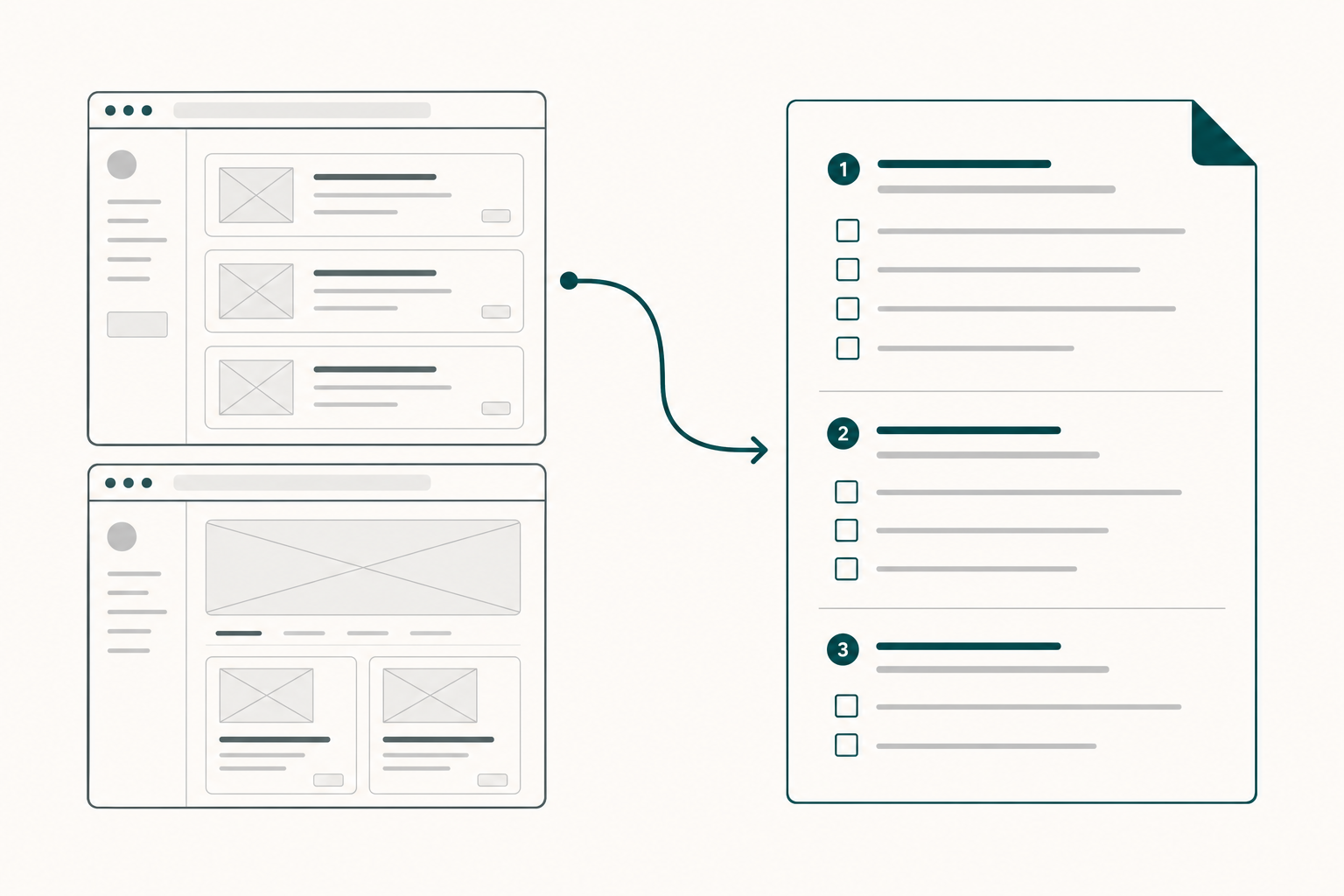
  • Layered HTML mockup frames flowing into a numbered specification document with checkboxes — mockups encoded as SDD, not decoration.

    Act V: Back to the Product · Part 8 · 7 min read · v1.0 · 22 June 2026

    Mockups Are Specs, Not Screenshots

    How static HTML mockups became testable SDD for ArticleRecommender's feed-first home — and why screenshots without acceptance criteria do not survive agents.
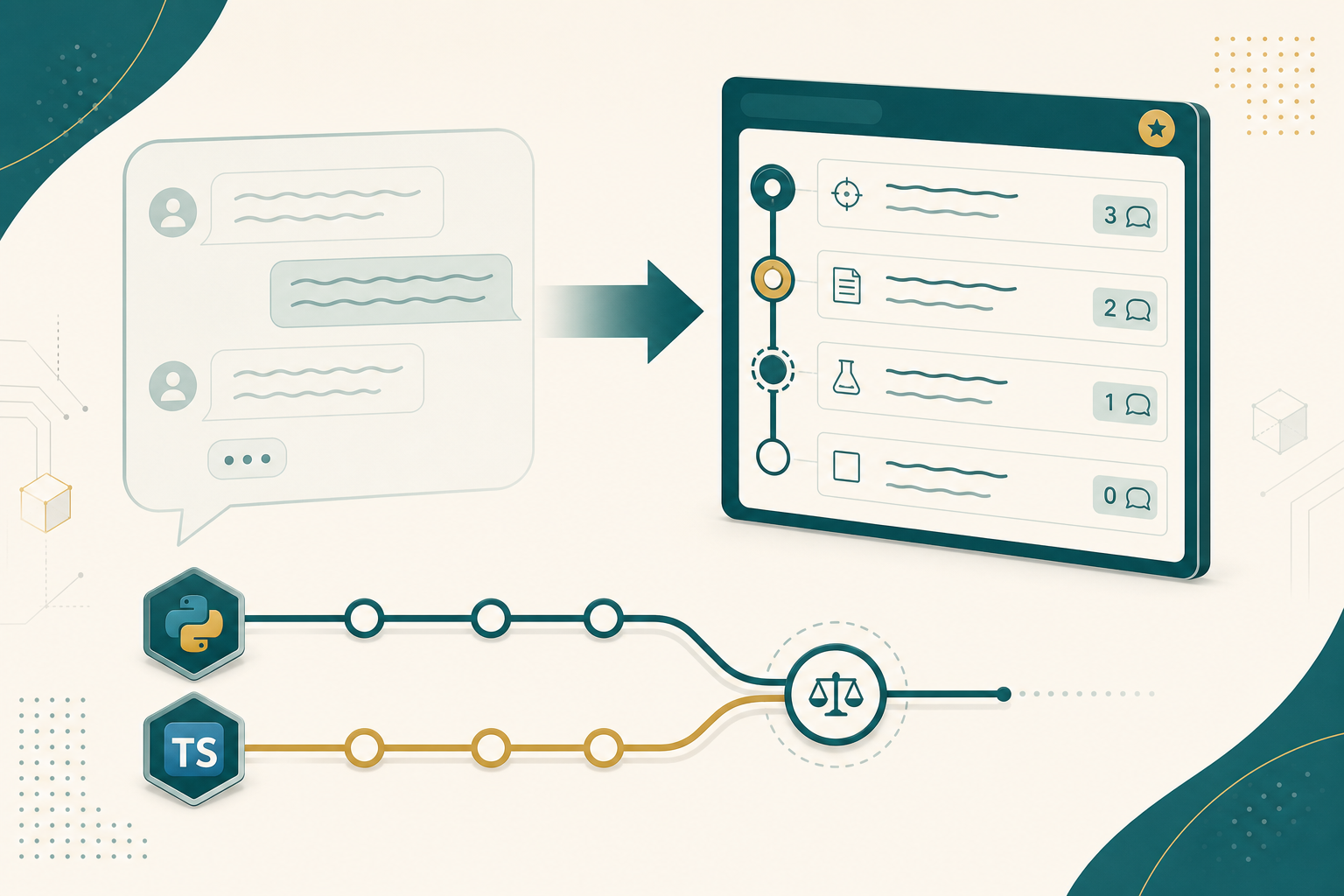
Standalone

  • Chat prose on the left, server-owned progress checklist on the right — Python and TypeScript paths meeting at a parity checkpoint.

    Standalone · 11 min read · v1.7 · Published 19 June 2026 · Updated 23 June 2026

    Agent Quality Engineering: Grade the Protocol, Not the Chat

    Agent quality (AQ) is not prompt quality. How I grade multi-turn agent behavior with server-owned state, scenario contracts, and parity checks — not chat prose alone.
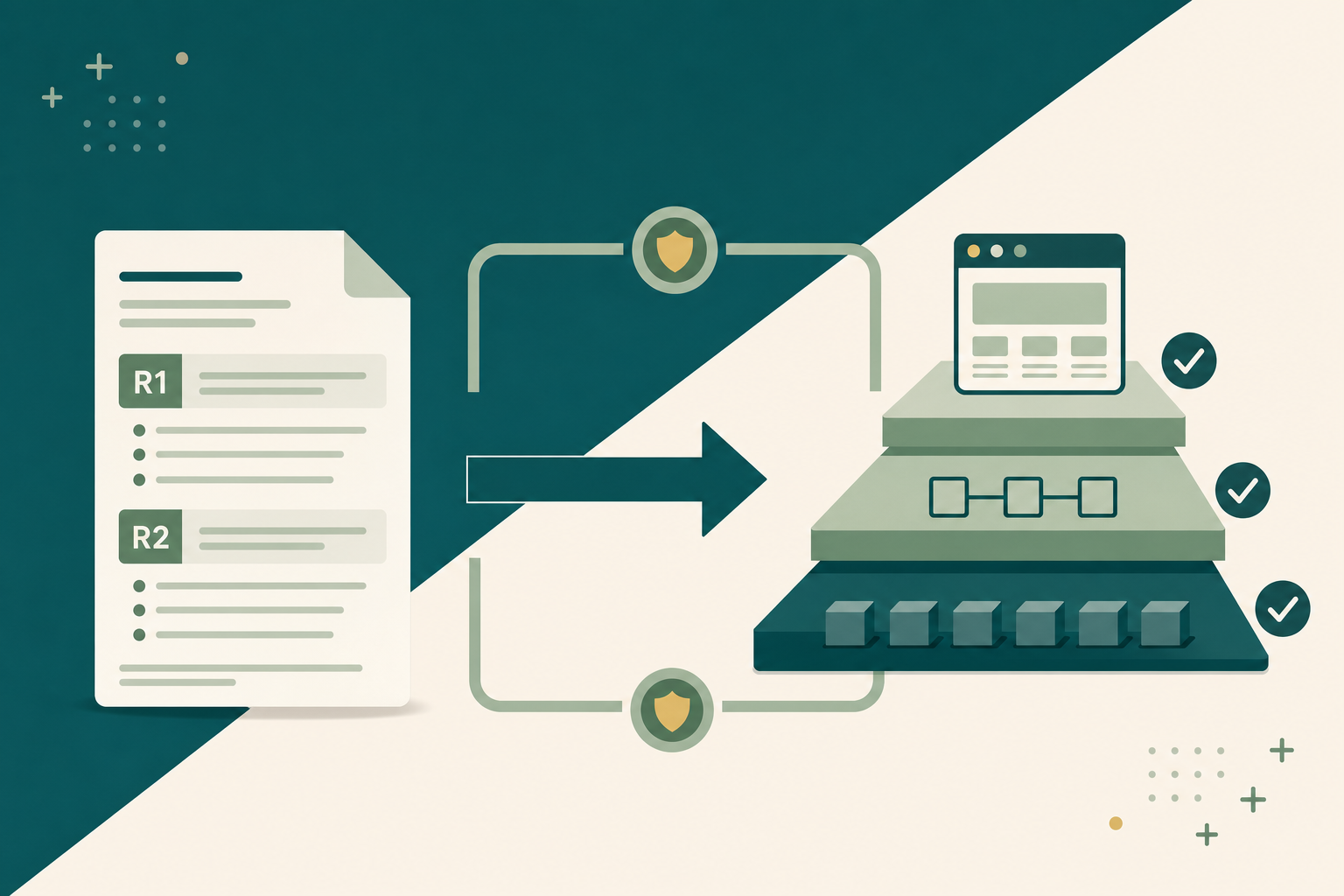
  • A specification document with R1 and R2 flows through a guarded arrow into a three-tier test pyramid with checkmarks — specs drive, tests validate.

    Standalone · 12 min read · v1.10 · Published 19 June 2026 · Updated 22 June 2026

    Specs Drive. Tests Validate.

    How I build agent-written software I can trust — user stories and SDD as the driver, unit/integration/E2E as the validator, lifecycle matrices for multi-role journeys, AQ for agents.
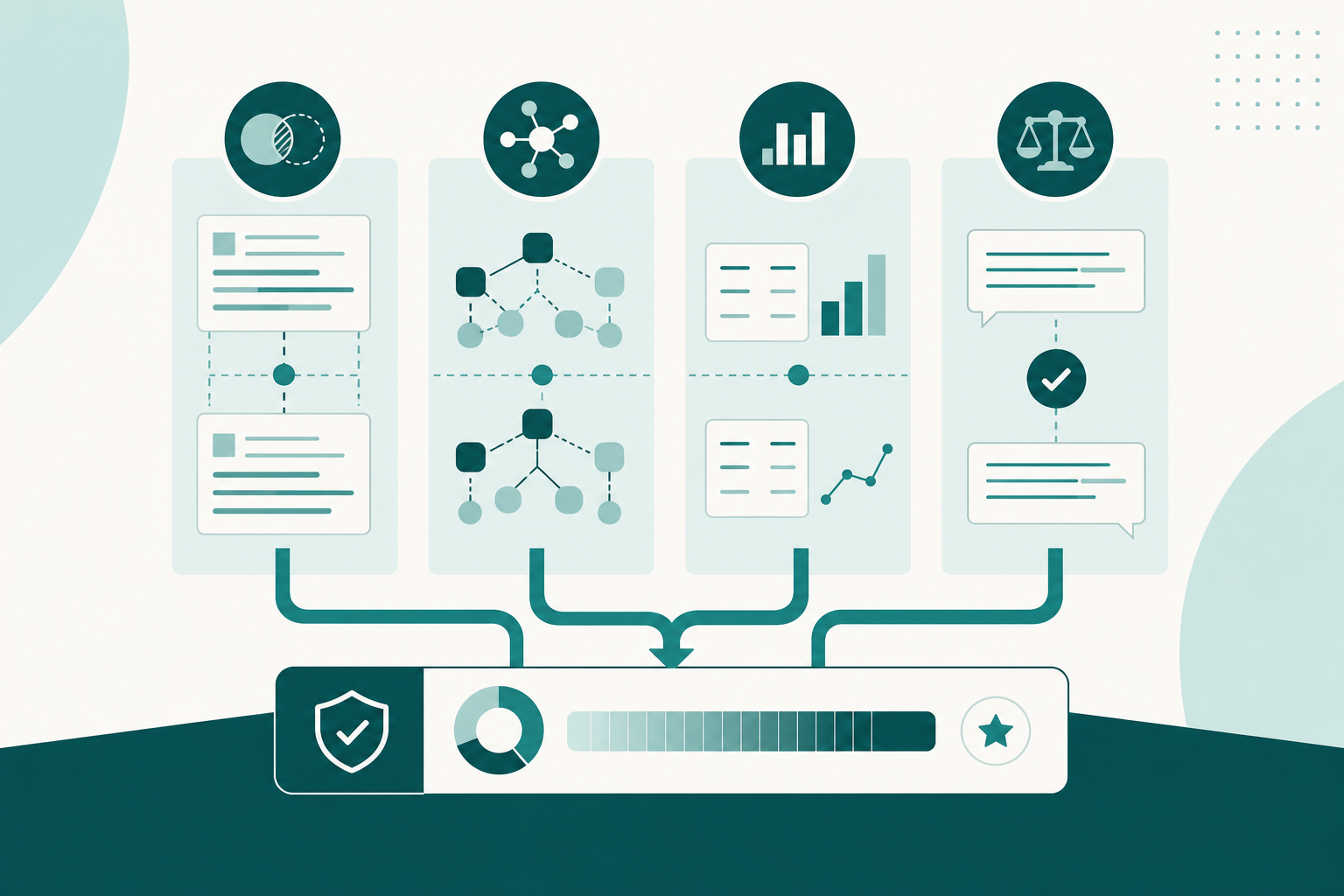
  • Four simple checks pointing at one summary — sounding right is not the same as keeping what mattered.

    Standalone · 5 min read · v1.2 · Published 21 June 2026 · Updated 23 June 2026

    Did the Summary Keep the Important Bits?

    A plain-language guide to four compression checks — does it sound similar, keep names, keep numbers, and stay true sentence by sentence — and why one high score is not enough.